When it comes to SEO, the biggest sites don’t necessarily have to be your biggest obstacle. Small sites, even with limited budgets, can successfully compete in search engine rankings by using strategic, targeted SEO tactics. In fact, with the right focus, small sites can be nimbler and more effective in search engine results, making them visible to the right audience without breaking the bank.
This guide will walk through specific ways that small sites can level up their SEO game, outsmart big sites, and capture organic traffic effectively.
1. Focus on Long-Tail Keywords
Small sites don’t need to target the highest-volume keywords to get traffic; in fact, it’s often easier and more cost-effective to focus on long-tail keywords—those more specific, less competitive phrases with a lower search volume but higher conversion intent.
Why Long-Tail Keywords?
Long-tail keywords are specific phrases, usually with 3-5 words, that reflect highly specific search intent. For example, instead of targeting “shoes,” a small e-commerce site could go for “comfortable men’s running shoes for wide feet.”
How to Find Long-Tail Keywords
- Use Keyword Tools: Try tools like AnswerThePublic, Ahrefs, or Google Keyword Planner. Many offer free trials or insights into long-tail keywords.
- Use Google’s “People Also Ask” Section: Search for your primary keywords and check out the “People Also Ask” section for ideas on related questions.
- Leverage Google Autocomplete: Start typing your main keyword in Google and see what suggestions come up. These often contain valuable long-tail phrases.
Focusing on long-tail keywords can help small sites rank faster and drive more relevant traffic, with users more likely to convert.
2. Create Highly Valuable, Targeted Content
To compete with larger sites, your content must provide real value and demonstrate expertise. Search engines prioritize content that is thorough, accurate, and answers users’ questions directly. For a small site, this means creating in-depth content that addresses specific problems or needs. Also read “Why Quality Trumps Quantity: How to Create Less Content and Get Better Results,”
What Makes Content Valuable?
Content that’s useful, actionable, and easy to read is considered valuable. For example, rather than a general “How to Cook Pasta” post, a small site could create a targeted article like “5 Tricks to Cook Perfect Pasta for Beginners,” including practical tips and infographics.
Tips for Creating High-Value Content
- Use Formatting for Readability: Break content into short paragraphs, use bullet points, and add subheadings.
- Include Visuals: High-quality visuals, infographics, and charts can increase engagement.
- Update Content Regularly: Google rewards fresh content, so revisit your articles regularly and add updates where relevant.
Case Study: BuzzSumo Blog
BuzzSumo, a relatively small site, outranks many larger sites by focusing on highly specific, well-researched blog posts on content marketing. By diving deep into case studies and data analysis, their content has consistently attracted backlinks and high engagement, helping them rank competitively despite being a smaller player.
3. Focus on Local SEO (If Applicable)
If your business is local, Local SEO is essential. Optimizing for local searches allows smaller businesses to compete against bigger brands in a more targeted area. By appearing in local search results, you increase visibility for customers searching in your region.
Key Local SEO Tactics
- Optimize Google My Business: Ensure your Google My Business (GMB) profile is complete with accurate information, photos, hours, and reviews.
- Gather Local Reviews: Ask your customers for reviews on Google, Yelp, and other local sites. Positive reviews help you rank higher in local searches.
- Use Local Keywords: Add your city or region to your long-tail keywords. For instance, “affordable hair salon in Austin” is better for local SEO than “hair salon.”
By implementing these simple local SEO steps, small businesses can attract nearby customers even in competitive markets.
4. Leverage the Power of Backlinks Strategically
Backlinks are a major SEO factor, but getting quality backlinks can be a challenge for small sites. Fortunately, you can still build backlinks in smart, budget-friendly ways that don’t involve costly link-building campaigns.
Strategies for Building Backlinks on a Budget
- Guest Posting on Niche Sites: Instead of aiming for big publications, look for niche industry blogs that accept guest posts. This helps build both backlinks and brand authority.
- Partner with Complementary Businesses: Work with other small businesses to exchange content and backlinks. For example, a local bakery and a coffee shop could create a blog post together, linking to each other’s sites.
- Create Shareable Content: Data-driven content, infographics, and guides are more likely to attract organic backlinks as they are more likely to be shared across industry blogs and forums.
Tool Recommendations for Backlink Research
- Ahrefs: Useful for backlink analysis and finding sites where competitors get their links.
- Ubersuggest: Provides an affordable option for finding backlink opportunities.
- HARO (Help a Reporter Out): Connects you with journalists looking for expert opinions, which can result in quality backlinks from news sites.
5. Ensure Mobile and Site Speed Optimization
Large sites often invest heavily in user experience, but small sites can compete effectively by offering a fast, mobile-friendly experience. Google prioritizes mobile optimization and page speed, so getting these right can give you an edge.
Why Mobile Optimization Matters
As of recent years, mobile traffic makes up over half of all global web traffic. If your site isn’t optimized for mobile, users are likely to leave immediately, increasing bounce rates and negatively impacting SEO. Also read “How Your Poor Mobile Experience is Chasing Away Buyers.”
Tips for Speed and Mobile Optimization
- Use Google’s PageSpeed Insights: Get a free analysis of your site’s speed and actionable tips to improve it.
- Reduce Image Sizes: Compress images with tools like TinyPNG to improve load times.
- Use a Mobile-Responsive Theme: If you’re using a CMS like WordPress, select a mobile-responsive theme that adjusts to different screen sizes.
By ensuring your site is fast and easy to navigate on mobile, you can improve both your user experience and rankings.
6. Build a Content Cluster Strategy
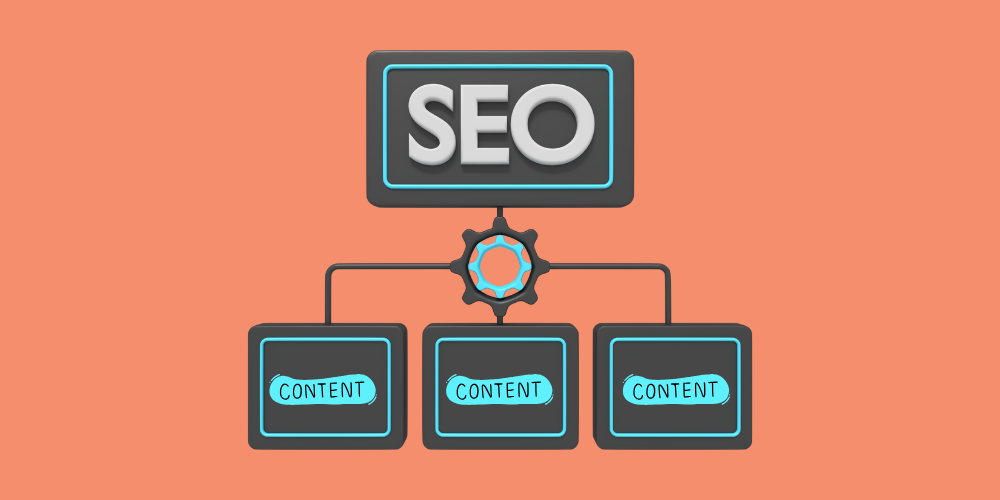
Instead of creating standalone articles, small sites can implement content clusters—a powerful SEO strategy that involves creating a main “pillar” page supported by several related content pages that link to it. This strategy strengthens your site’s authority on a specific topic, signaling to search engines that your site provides comprehensive information.
Steps to Create a Content Cluster
- Choose a Core Topic: Select a main topic you want to rank for, such as “budget travel.”
- Create the Pillar Page: The pillar page should provide a high-level overview of your topic and link to related articles.
- Develop Supporting Content: Write articles that cover specific aspects of the core topic, like “Top Budget-Friendly Destinations in Europe” or “How to Travel on a Budget with Family.”
- Interlink the Content: Link each supporting article to the pillar page and vice versa.
This structured approach helps smaller sites gain authority on specific topics and improves their chances of ranking higher.
7. Track and Measure Your Progress
Unlike big brands, small sites don’t always have the luxury of advanced analytics teams. However, there are accessible tools to help you measure the impact of your SEO efforts. Monitoring your progress lets you see what’s working and refine your strategy over time.
Essential Tools for Tracking SEO Success
- Google Analytics: Track traffic, user behavior, and conversion rates.
- Google Search Console: Monitor search performance, clicks, impressions, and see which queries drive traffic.
- SEO Plugins: If using WordPress, plugins like Yoast SEO or Rank Math can help track page SEO metrics directly on your dashboard.
Regularly checking metrics will ensure you’re on track and allow you to pivot when needed.
Final Thoughts: Small Sites Can Compete and Win at SEO
With the right strategies, a small site can outrank large competitors in search results. By focusing on long-tail keywords, producing high-quality content, optimizing locally, and building strategic backlinks, even sites with limited budgets can perform well in organic search.
Remember, SEO isn’t a race but a marathon. Consistent, focused effort over time can yield significant results and help your small site stand out in a crowded digital space. With these steps, you can confidently grow your site’s authority, reach your target audience, and keep up with the competition—regardless of size.