When was the last time you Googled something and clicked on the first link? Probably a few hours ago, right? That’s the magic of great on-page SEO. But here’s the deal: getting to that coveted first spot isn’t some mystical trick. It’s all about mastering the art of content structuring.
Let’s dive into the world of on-page SEO with a fun, easy-to-digest guide. Whether you’re a blogger, business owner, or digital marketer, you’re about to learn some techniques that will make your content Google’s best friend. So, grab your favorite drink, sit back, and let’s unravel the secrets of on-page SEO!
Start with the Basics: What is On-Page SEO?
Before we get into the nitty-gritty, let’s clarify what we’re talking about here. On-page SEO is everything you do on your website to help it rank better in search engines. Think keywords, headings, images, links, and even the way your content flows.
It’s like dressing up your website for a party where Google is the host. You want to look good, sound good, and most importantly, be good.
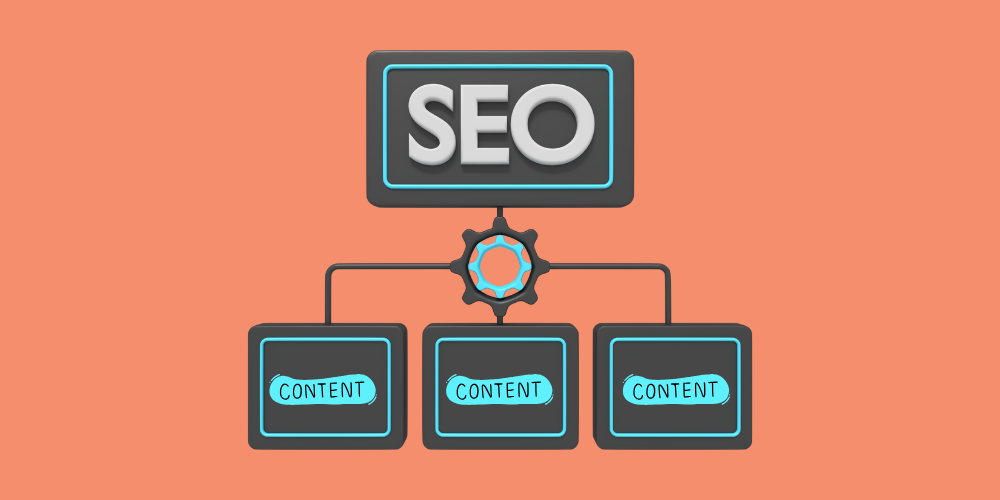
And the foundation of it all? Content structuring. Let’s break it down step by step.
1. Headlines That Hook (H1 to H6 Mastery)
Your headline is your first impression—and you only get one shot. That’s why your H1 (the main heading) needs to be on point.
Here’s the golden rule: make it clear, compelling, and keyword-rich. For example, instead of “SEO Tips,” go for “10 Proven SEO Tips to Skyrocket Your Website Traffic.”
But wait, there’s more! Don’t ignore your subheadings (H2, H3, etc.). They’re not just for organizing your content; they’re also essential for search engines to understand your page structure.
Pro Tip: Use keywords naturally in your subheadings without sounding like a robot. Nobody wants to read “SEO SEO SEO Hacks for Better SEO Rankings.” (You see how annoying that is?)
2. Keywords: Place Them Smartly, Not Everywhere
Ah, keywords. The backbone of SEO. But here’s the thing: stuffing your content with keywords is so 2010. These days, it’s all about smart placement.
- In Your Headline: As mentioned earlier, your H1 should have the main keyword.
- In the First 100 Words: Search engines love it when keywords show up early.
- In Subheadings: Sprinkle them in naturally.
- Alt Text for Images: Name your images something like “on-page-seo-tips.jpg” instead of “IMG1234.jpg.”
And let’s not forget about LSI keywords (Latent Semantic Indexing). These are related terms that help Google understand the context of your content. For instance, if your keyword is “digital marketing,” related terms might be “online marketing,” “SEO,” or “social media strategies.”
3. Create a Killer Introduction (Because First Impressions Count)
Your intro needs to be engaging—period. This is where you hook your readers and convince them to stick around.
Start with a relatable question, a surprising stat, or even a short story. Then, clearly state what the article will deliver. For example:
“Did you know that 75% of users never scroll past the first page of Google ? That’s why mastering on-page SEO isn’t optional; it’s essential. In this guide, I’ll show you simple, actionable steps to make your content shine.”
4. Content Formatting: Make It Skimmable
Let’s face it: nobody reads online content word-for-word anymore. We skim. So, structure your content in a way that’s easy on the eyes:
- Short Paragraphs: Stick to 2-3 sentences max.
- Bullet Points & Numbered Lists: Perfect for breaking down complex ideas.
- Bold Text: Highlight key points, but don’t overdo it.
- White Space: Give your readers’ eyes some breathing room.
Pro Tip: Add “jump links” to your long-form content. These are clickable links at the top that take readers directly to specific sections. Google loves them, and so will your readers.
5. Internal Linking: Connect the Dots
Internal linking is like building a web of connections within your site. It helps both your readers and search engines navigate your content better.
For example, if you’re writing about on-page SEO, link to your article on “Keyword Research” or “How to Write Meta Descriptions.” Just make sure the anchor text (the clickable words) is relevant and natural.
Pro Tip: Don’t overdo it. Aim for 2-4 internal links per 1,000 words.
6. Optimize Your URLs: Keep Them Clean
Ever seen a messy URL like this?
www.example.com/blog/12345/this-is-a-long-url-that-doesn’t-make-sense
Now compare it to this:
www.example.com/blog/on-page-seo-tips
See the difference? Clean, keyword-rich URLs not only look better but also rank better. Stick to 3-5 words max.
7. Visuals: More Than Just Eye Candy
Images, videos, and infographics do more than make your content look good. They also boost engagement and time-on-page metrics—which Google loves.
But don’t forget to:
- Compress Images: Large files can slow down your site, and nobody likes a slow website.
- Add Alt Text: Describe your images using keywords.
- Use Captions: They’re great for adding extra context.
Pro Tip: Interactive content like quizzes or embedded tools can take your engagement to the next level.
8. Mobile Optimization: Don’t Neglect It
Did you know that over 60% of Google searches come from mobile devices? If your site isn’t mobile-friendly, you’re losing out—big time.
Here’s how to fix that:
- Use a responsive design.
- Optimize fonts and buttons for smaller screens.
- Test your site using Google’s Mobile-Friendly Test tool.
9. Meta Tags: Your Mini Ad Copy
Meta titles and descriptions might seem small, but they pack a punch. Think of them as your elevator pitch to Google and your readers.
- Title Tag: Include your primary keyword and keep it under 60 characters.
- Meta Description: Add a compelling 150-160 character summary with a call to action.
For example:
“Learn the top on-page SEO techniques to boost your rankings and drive more traffic. Read our expert guide now!”
10. Schema Markup: Speak Google’s Language
Schema markup is like giving Google a cheat sheet for your content. It helps search engines understand your page better, which can lead to rich results (like star ratings, FAQs, or product prices) in SERPs.
Pro Tip: Use tools like Google’s Structured Data Markup Helper to implement schema without breaking a sweat.
Conclusion: Your SEO Journey Starts Here
And there you have it—the art of content structuring, simplified. On-page SEO isn’t rocket science, but it does require a strategic approach. Start by nailing your headlines, optimizing keywords, and making your content skimmable. Then, sprinkle in visuals, links, and a dash of mobile-friendliness.
Remember, SEO is a marathon, not a sprint. Implement these techniques consistently, and you’ll see your rankings climb over time.
So, what are you waiting for? Go ahead and give your content the structure it deserves. Your readers (and Google) will thank you!